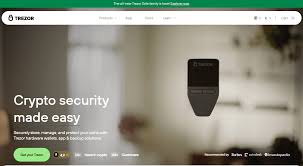
Trezor.io/start: A Simple Guide to Setting Up Your Trezor Hardware Wallet
If you recently purchased a Trezor hardware wallet, the first step to securing your cryptocurrency is visiting Trezor.io/start. This is the official setup page that guides you through installation, device configuration, and wallet creation. Using a hardware wallet adds a powerful layer of security to your digital assets because it keeps your private keys offline and under your direct control. This guide explains what you’ll find on Trezor.io/start and walks you through each step in a clear and simple way.
Understanding Trezor Hardware Wallets
Trezor is one of the earliest and most trusted hardware wallets used for storing and managing cryptocurrencies. It protects users from hackers, viruses, phishing, and online attacks by ensuring the private keys never leave the physical device. Even if your computer is infected or compromised, the Trezor device keeps your digital assets secure.
Trezor currently offers two main models:
Trezor Model One — compact, easy to use, and budget-friendly
Trezor Model T — premium model with a color touchscreen and extra features
Regardless of the model you own, the setup process always begins at Trezor.io/start.
Why Trezor.io/start Is the Official Setup Page
When setting up a cryptocurrency wallet, using the correct website is extremely important. Trezor.io/start is the verified official link for initialization, software installation, and safety instructions. This protects users from fake or malicious sites designed to steal information or trick new wallet owners into sharing sensitive data.
A key point: The official Trezor website never asks for your recovery seed to be typed online. If you see such a request, it is guaranteed to be fraudulent.
Step 1: Connect Your Trezor to Your Computer
When you arrive at Trezor.io/start, you’ll be instructed to plug your Trezor device into your computer using the USB cable provided in the box. Once connected, your browser will detect the device and prompt you to install the necessary software.
Depending on your setup, you may be asked to install:
Trezor Suite — the main application for managing your crypto
Trezor Bridge — a communication tool that allows the browser to interact with your device
Trezor Suite is recommended for all users because it offers a secure environment for sending, receiving, and storing digital currencies.
Step 2: Install or Update the Firmware
For security reasons, new Trezor devices do not come with firmware pre-installed. After plugging in your device, the system will ask you to install the latest firmware. This ensures your wallet has the newest security updates and has not been tampered with before reaching you.
Follow the instructions on your screen. Once the firmware is installed, the device will restart and prepare for wallet creation.
Step 3: Create a New Blockchain Wallet
Once your firmware is ready, Trezor will give you two choices:
Create a new wallet
Recover a wallet from a recovery seed
To start fresh, choose “create a new wallet.” This generates a unique set of cryptographic keys that only you control. These keys are essential for accessing your funds and remain stored securely in your Trezor device.
Step 4: Secure Your Recovery Seed
After creating your wallet, your Trezor will display a list of recovery words, also known as your recovery seed. This is usually 12, 18, or 24 words depending on your device model. These words must be written down carefully and stored in a safe offline location.
The recovery seed is the most important part of your wallet. It allows you to restore your funds if your device is lost, damaged, or stolen. Protect it by following these rules:
Write the words neatly and in the correct order
Keep your seed offline at all times
Never take a photo of it
Do not store it on a phone or computer
Never show or tell it to anyone
Anyone who has your seed can access your wallet, so treat it with absolute caution.
Step 5: Set Up Your PIN for Device Protection
Next, you will be prompted to choose a PIN. This PIN is required every time you connect your Trezor device, keeping it protected from unauthorized access. Make sure to choose a PIN that is not predictable or easy to guess.
Avoid patterns like:
1234
0000
Repeating digits
The PIN works alongside your recovery seed to provide strong protection.
Step 6: Start Using Trezor Suite
Once your setup is complete, you will be taken into Trezor Suite, the main application used to manage your cryptocurrencies. Trezor Suite provides a clear and secure interface that lets you:
Add accounts for supported cryptocurrencies
Make secure transactions
Track your portfolio value
Manage ERC-20 tokens
View transaction history
Access advanced security settings
Trezor Suite is available on Windows, macOS, and Linux, and the platform is regularly updated to improve performance and safety.
Step 7: Add Crypto Accounts and Receive Funds
To begin using your Trezor wallet, add accounts for the cryptocurrencies you want to hold. Popular options include Bitcoin, Ethereum, Litecoin, and many others. Each coin has its own account and address.
When receiving crypto, always double-check your wallet address inside Trezor Suite before sharing it. Because the Trezor device verifies the address, you can be sure it hasn’t been altered by malware.
Tips for Safely Using Your Trezor
To maintain the highest level of security:
Store your recovery seed in multiple secure locations
Update firmware only through the official Trezor website
Use a strong passphrase if you want an additional security layer
Never enter your seed into websites or apps
Beware of fake support services asking for sensitive data
Conclusion
Visiting Trezor.io/start is the safest and most reliable way to set up your Trezor hardware wallet. By following the guided steps—installing software, creating your wallet, writing down your recovery seed, and setting your PIN—you establish a strong foundation for protecting your cryptocurrency. With Trezor Suite, managing your digital assets becomes both simple and highly secure.