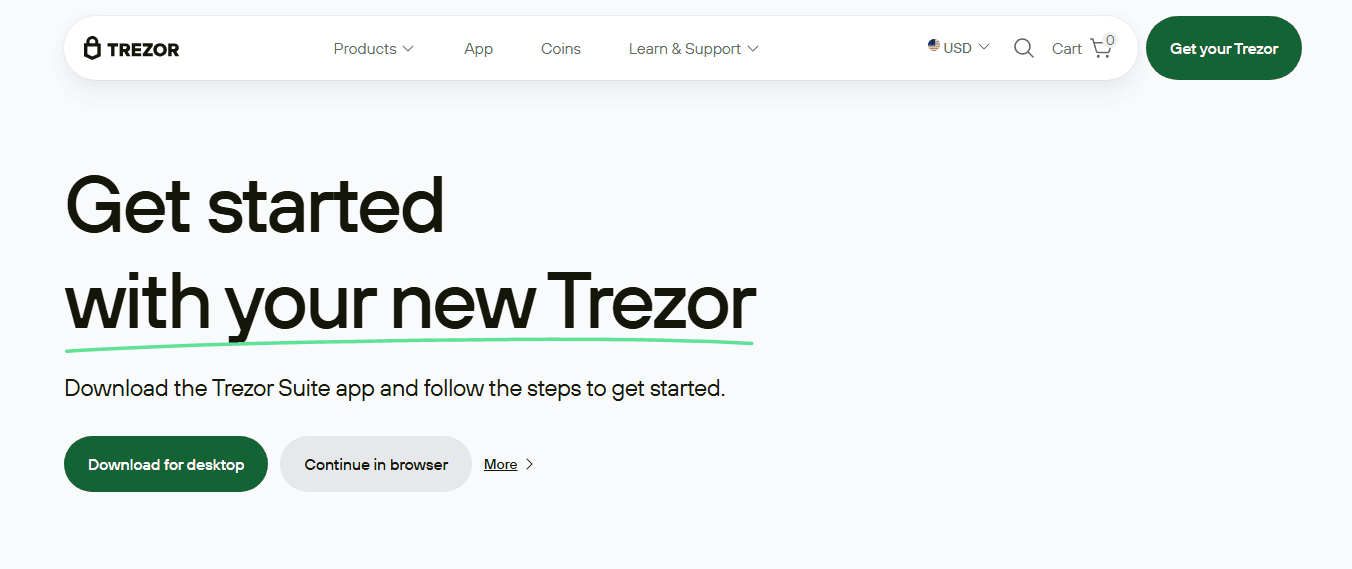
Trezor.io/start: The Official Setup Path for Your Trezor Wallet
Setting up a hardware wallet for the first time can feel overwhelming, but Trezor makes the process simple through its official setup page: Trezor.io/start. This page provides all the necessary tools, instructions, and security warnings you need to begin using your Trezor device safely. Whether you're new to cryptocurrency or upgrading your digital security, understanding how to follow the steps on Trezor.io/start is essential for protecting your assets.
What Makes Trezor a Trusted Crypto Wallet?
Trezor is a hardware wallet designed to keep your private keys offline and protected from online threats. Since the private keys never leave the device, even a compromised computer cannot access them. This makes hardware wallets one of the safest ways to store cryptocurrencies.
The two primary models offered by Trezor include:
Trezor Model One – a cost-effective, widely used hardware wallet
Trezor Model T – a premium version with a touchscreen and expanded features
Both of these devices rely on the same secure setup process, which begins at Trezor.io/start.
Why You Must Use Trezor.io/start
Because cryptocurrency security depends heavily on the user, it’s crucial that you start setup using the correct, official website. Trezor.io/start ensures that you download authentic software and follow verified instructions. Phishing websites exist specifically to steal recovery seeds and user data. By manually typing the official address into your browser, you reduce the risk of falling for scams.
A key reminder: The official Trezor website will never ask you to upload or input your recovery seed. If a site asks for your seed, immediately stop using it.
Step 1: Connecting Your Trezor to Your Computer
The setup process begins by connecting your device via USB. Once you visit Trezor.io/start, the site will detect your device and prompt you to install the appropriate software. Most users will be guided toward downloading:
Trezor Suite, the desktop application for managing your wallet
Trezor Bridge, if your browser requires additional support
Trezor Suite is the recommended environment for performing crypto transactions, managing your portfolio, and customizing device settings.
Step 2: Install Firmware on Your Device
Unlike many electronics, Trezor devices ship without pre-installed firmware. This provides an added layer of tamper protection—ensuring that the device has not been interfered with before it reaches your hands.
When you plug in your Trezor for the first time, you’ll be asked to install the latest official firmware. Follow the instructions on-screen, and allow the device to reboot once the process is complete.
Step 3: Choose to Create or Recover a Wallet
After the firmware installation, you’ll be prompted to decide whether to:
Create a new wallet, or
Restore an existing wallet from a recovery seed
If this is your first time using Trezor, selecting “Create new wallet” is the correct choice. This generates fresh cryptographic keys that belong exclusively to you.
Step 4: Back Up Your Recovery Seed
This stage is the most important part of the setup. Your Trezor will display a recovery seed consisting of 12, 18, or 24 words. These words represent the backup for your entire wallet. If the device is lost, broken, or stolen, the recovery seed is the only way to restore access to your funds.
To protect your seed:
Write the words down on paper, not digitally
Keep the seed stored in a safe and dry location
Never take screenshots or photos
Never share the words with anyone
Do not enter the seed into any website or app
Trezor.io/start will emphasize several times that the seed belongs offline and should remain private.
Step 5: Protect Your Device with a PIN
Once your recovery seed is stored, the next step is to set up a PIN. The PIN prevents unauthorized users from physically accessing your device. Every time you plug the Trezor into a computer, you will need to enter this PIN. Choosing a strong PIN is essential; simple combinations like “1111” or “1234” should be avoided.
Step 6: Explore Trezor Suite
Trezor Suite is your command center for managing your crypto. After completing the initial setup, you will be taken directly into the application. From this interface, you can:
Add accounts for various cryptocurrencies
View your total portfolio value
Send and receive tokens
Connect to different network options
Manage security settings
Enable advanced features like passphrases
All sensitive actions must be confirmed physically on your Trezor device, ensuring that you remain in full control.
Step 7: Add Cryptocurrency Accounts
Trezor supports a wide variety of cryptocurrencies including Bitcoin, Ethereum, Litecoin, Cardano, and many ERC-20 tokens. Before you can receive funds, you need to add an account for each asset inside Trezor Suite.
Once an account is added:
You can generate a receiving address
The address must be verified on the Trezor screen
You can begin sending and receiving crypto securely
Hardware-based confirmation ensures that even if your computer is infected, your receiving address cannot be altered by malware.
Best Practices for Staying Secure with Trezor
Owning a hardware wallet is only the first step. Following best security practices is just as important:
Keep multiple copies of your recovery seed stored safely
Update firmware only through the official Trezor website
Consider using a passphrase for extra protection
Avoid sharing personal information with “support agents” online
Double-check all addresses on the device screen before confirming transactions
Your security is in your hands, and small habits can protect you from large losses.
Final Overview
Using Trezor.io/start is the official and safest way to set up your Trezor hardware wallet. The page guides you through essential steps like firmware installation, recovery seed backup, PIN creation, and accessing Trezor Suite. By following the instructions carefully and keeping your recovery seed secure, you gain complete control over your cryptocurrency while enjoying one of the highest levels of digital protection available.